The Growing Exposure of Virtual Meetings
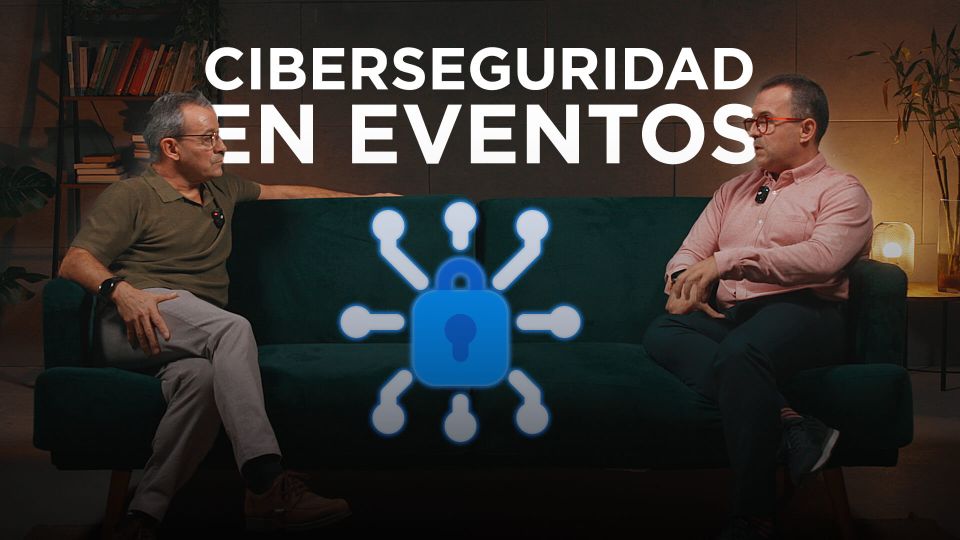
In the modern business environment, video conferencing through platforms like Zoom, Teams, or Google Meet is part of daily operations. However, we often overlook the security risks associated with these tools when not properly configured or managed.
Sharing files, using public networks, or simply connecting from another country can become open doors to potential attacks or data leaks.
How Secure Are Current Platforms?
Working with well-known providers like Microsoft offers an extra layer of trust. Teams, for example, has become the most secure and reliable business communication tool, backed by a specialized security team.
This doesn’t mean that other platforms like Zoom or Google Meet are insecure, but they do require more careful evaluation of the settings and policies we apply when using them.
The Importance of a Protected Network
One of the main risks lies in the network we connect from. Is the hotel Wi-Fi safe? Am I in a country with aggressive digital surveillance policies? These are key questions when it comes to protecting our business communications.
An effective solution is the use of a VPN (Virtual Private Network). This system creates an encrypted tunnel that ensures all your communication travels securely, as if you were connected directly from your office, no matter where in the world you are.
Key Recommendations to Secure Your Virtual Meetings
- Always use well-known platforms with proven security guarantees.
- Avoid sharing files directly through the meeting chat.
- Connect through a reliable VPN, especially on public networks or abroad.
- Ensure your devices are protected and monitored by business-grade cybersecurity tools.
- Seek advice from professionals who can recommend best practices tailored to your business context.
The key is not to underestimate the risks and to assume that every connection could be a potential breach if proper measures are not taken. Implementing these tools and practices can make the difference between a vulnerable company and a truly secure one.